Your Patients Are Talking. We’re Charting
The first platform to convert casual conversation into structured clinical insights. Predict risks, automate documentation, and reduce readmissions effortlessly.
Automated Triage Between Visits. Focus on intervention, not investigation.
Kiva filters daily dialogue to automatically flag pain, compliance, and cognitive risks—building a complete patient history without the manual lift.
“I feel more connected to my care team between visits. It's reassuring to know someone is checking in on me daily.”
“Having conversation summaries before visits means I arrive prepared. I'm not playing catch-up on what happened since my last visit.”
“The potential to reduce routine check-in calls and flag issues early could significantly impact our operational efficiency.”
Potential call reduction
Up to 40% reduction in routine check-in calls in modeled scenarios. Automated observation summaries help clinical staff focus on intervention, not investigation.
Earlier trend flagging
Flags potential adverse trends well before hospitalization in simulation runs. Surfaces pain changes, non-compliance, and cognitive shifts for clinician review.
Target engagement rate
High engagement ensures continuous data flow. Personality-anchored dialogue is designed to drive sustained participation—building richer longitudinal patient history.
Closing the 98% Gap
How It Works
Personality-anchored engagement for patients. Automated triage for care teams. Clinical decision support for agencies.
Personality-Anchored Engagement
Patient Experience
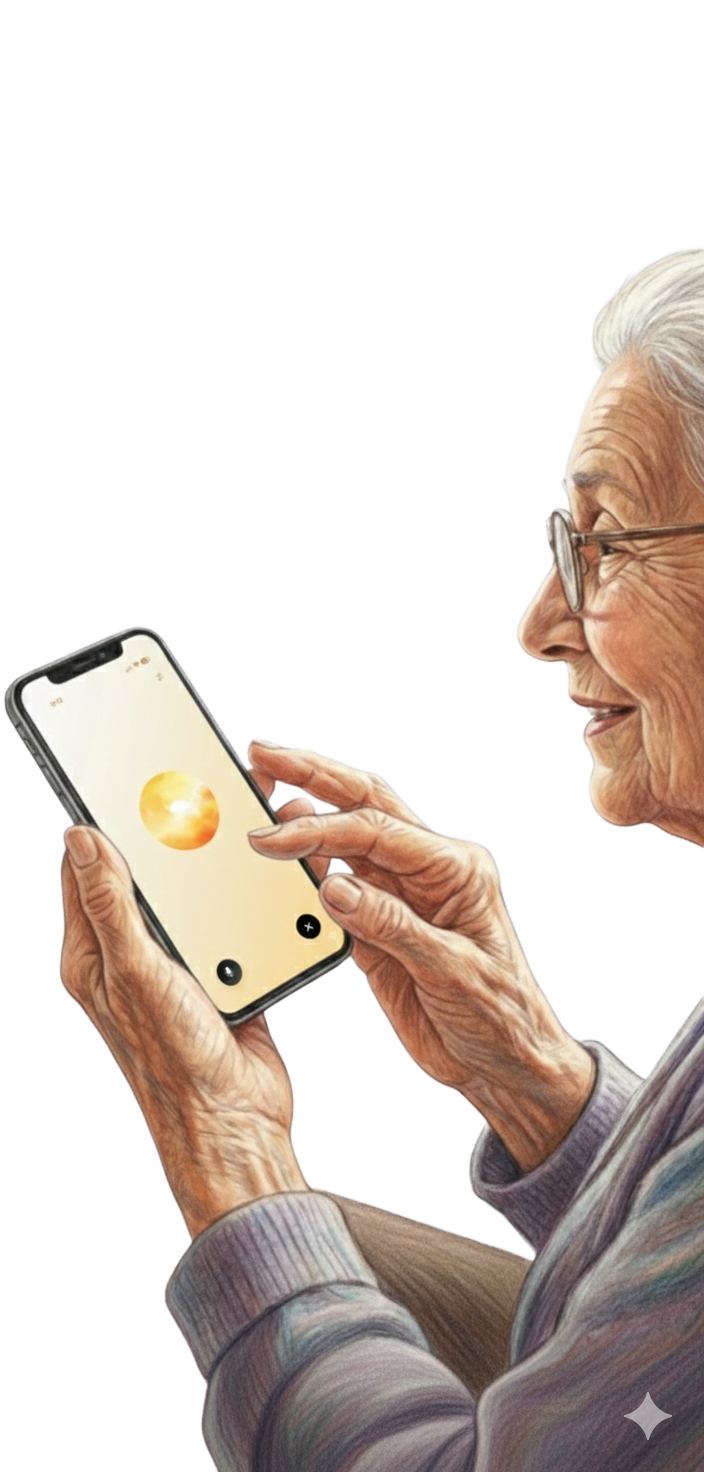
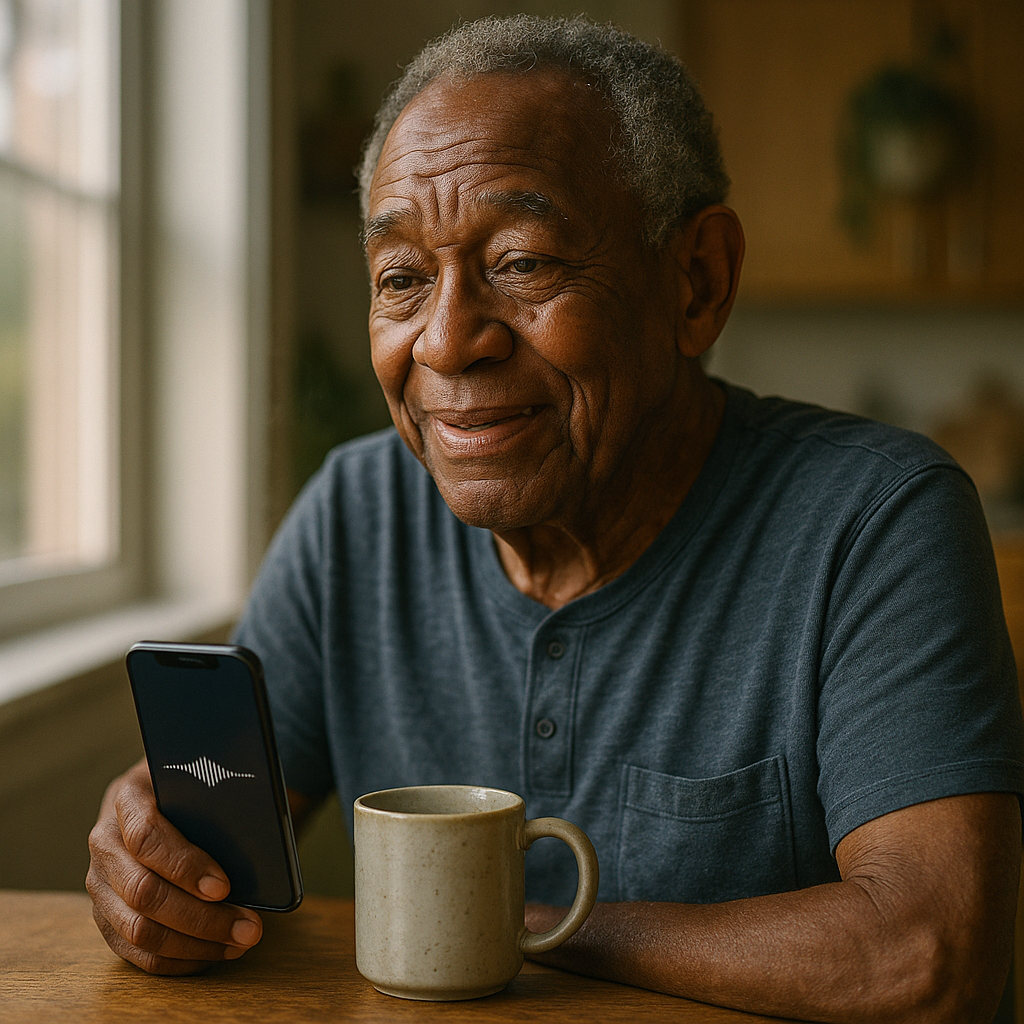
Daily 5–10 minute check-ins via mobile app. The companion remembers routines—meds, sleep, pain, mood—and follows up naturally.
- Voice-first conversations on devices patients already own
- Personalized dialogue that adapts to preferences and history
- Gentle reminders and follow-ups that feel natural, not clinical
Step 01
Automated Observation & Visit Note Drafting
Nurse Workflow
Flagged summaries pushed to your existing EHR or shared inbox. SOAP-style notes drafted automatically before the visit. Arrive prepared, not playing catch-up.
- Conversation summaries delivered to existing workflows
- Ready-to-review visit notes in familiar formats
- Flagged observations for clinician review—never auto-diagnosis

Step 02
Observational Decision Support
Agency View
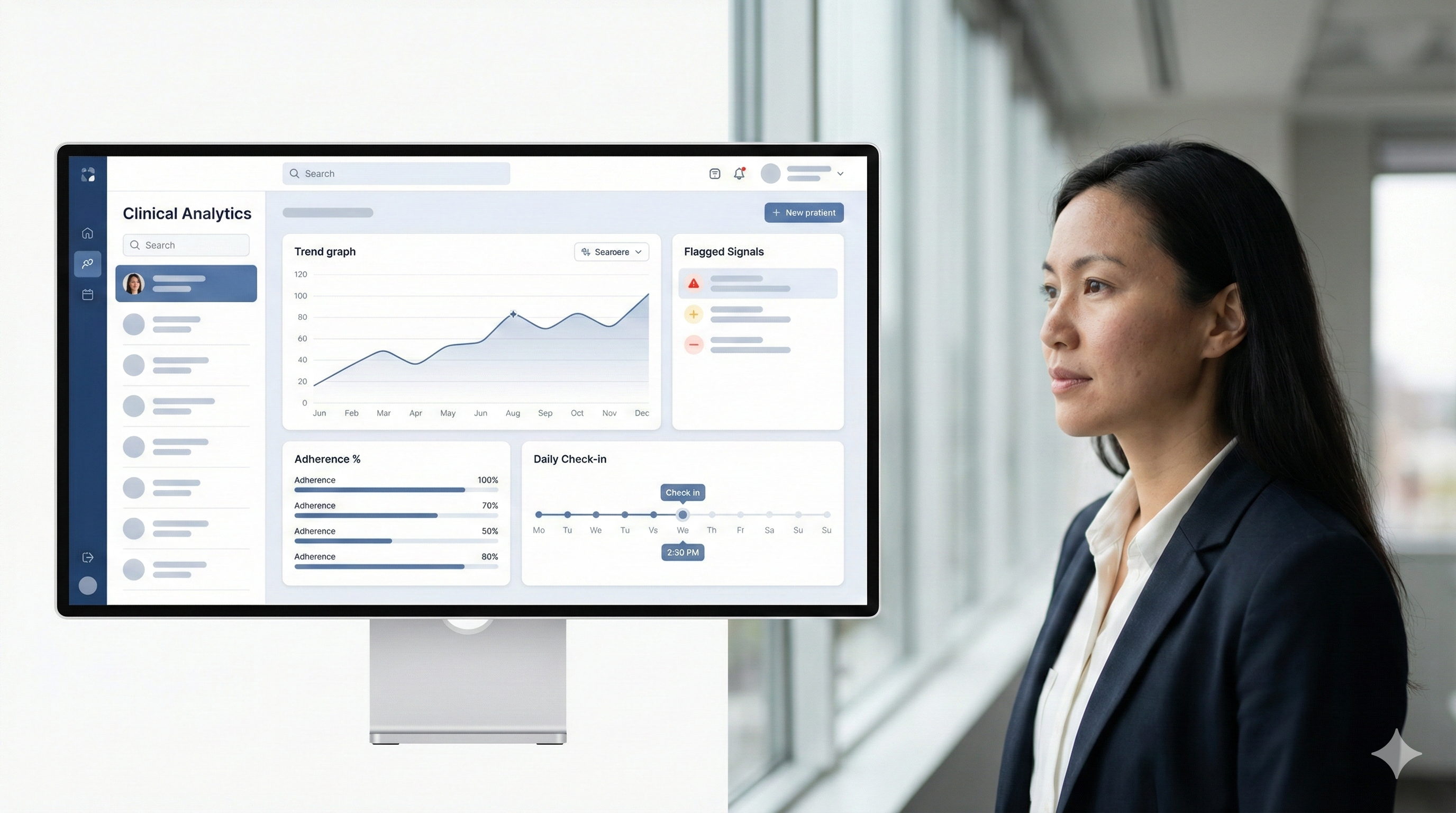
Rules-based escalation paths (call, nurse visit, telehealth). Dashboards showing risk-ranked caseload and trends. Supports clinician judgment; never replaces it.
- Configurable escalation rules based on your protocols
- Caseload visibility with trend tracking across patients
- Observational signals only—nurses make all clinical decisions
Step 03
Great care shouldn't stop when the nurse walks out the door.
Extend your agency's presence into every hour of the patient's day—with continuous conversational observation that supports your clinical team.
Observational, not diagnostic. Nurses remain in full control of all clinical decisions.
Start a Clinical PilotPlatform Capabilities
Tools to help clinical teams reduce documentation burden and stay informed between visits—with minimal added workload.
Voice Companion Engine
Natural voice conversations on devices patients already own—phone, tablet, or smart speaker. No apps to download, no new dashboards to learn. Data integrates with your existing workflow.
Agency Command Center
Visibility into patient status across your caseload. View adherence patterns and observational trends—all in one consolidated view for patient risk and adherence tracking.
Cognitive Change Signals
Flags potential cognitive changes based on vocabulary usage, memory markers, and confusion patterns. Observational signals only—clinicians review and determine significance.
Observational Decision Support
Supports clinician judgment; never replaces it. Observes, summarizes, and escalates based on configured rules. Flags potential issues for review—never auto-diagnoses or prescribes.
Visit Note Drafting
Conversations converted into structured visit notes and adherence logs. Notes exported to your existing EHR or documentation tools for clinician review and sign-off.